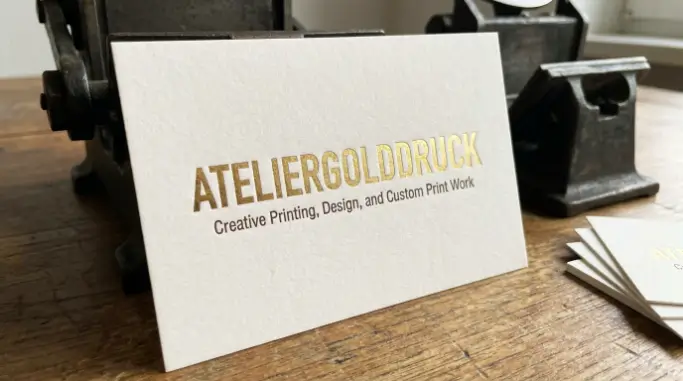
When people search for ateliergolddruck, they may be looking for information about a creative printing studio, a printing service, or a specialized form of artistic print production. The name itself combines ideas associated with an atelier, gold, and printing. An atelier usually suggests a small creative workshop where skilled people focus on detailed work, while “druck” is the German word for printing.
That combination makes the term especially interesting for anyone interested in custom printing, artistic design, invitations, stationery, packaging, posters, cards, or premium printed materials.
Printing has changed dramatically over the years. Modern digital printers can produce high-quality results quickly, while traditional techniques such as screen printing, letterpress, foil stamping, and specialty finishing are still popular when the final product needs a more personal or luxurious appearance.
This guide explains what ateliergolddruck can represent in the world of creative printing, what makes premium printing different from ordinary printing, which techniques are commonly used, and how to choose the right printing style for a project.
What Does Ateliergolddruck Mean?
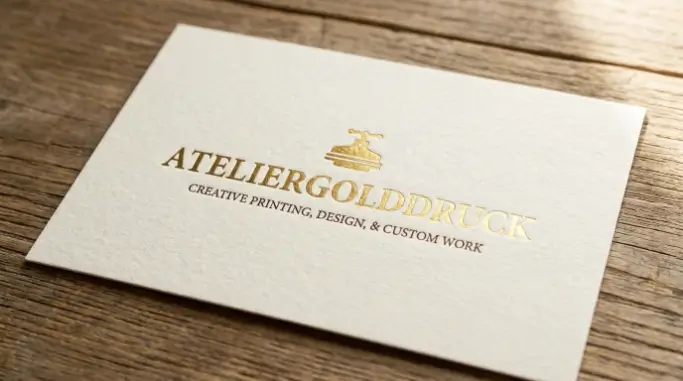
The word “atelier” is commonly associated with an artist’s or designer’s workshop. It suggests a place where creative work is planned and produced with attention to detail.
The word “druck” means “print” or “printing” in German. Therefore, a term such as ateliergolddruck naturally sounds connected to a creative printing workshop or a specialized print studio.
The “gold” element can suggest gold-colored artwork, metallic printing, gold foil, or premium finishing. However, the exact meaning depends on the business, website, or brand using the name.
It is important not to assume that every service using a similar name offers exactly the same products. Printing businesses can specialize in very different areas, from wedding invitations to business cards, clothing, packaging, artwork, and promotional materials.
Why Creative Printing Is Still Popular
Digital communication has become a major part of everyday life, but printed materials have not disappeared.
A physical card, invitation, brochure, business card, or art print can feel more personal than something viewed on a screen. People can hold it, keep it, display it, or share it with someone else.
This is especially true for special occasions.
Wedding invitations, anniversary cards, luxury packaging, certificates, restaurant menus, and artistic posters are examples where the physical appearance of the printed product matters.
Good printing is not simply about putting words on paper. The paper, typography, colors, spacing, finishing, and texture all influence how the final product feels.
What Makes Premium Printing Different?
A basic print job usually focuses on getting the required information onto paper at a reasonable cost. Premium printing pays much more attention to the complete experience.
The choice of paper can make a major difference. Thick cardstock can make an invitation feel more substantial, while textured paper can give an artistic project a handmade appearance.
Finishing is another important factor. Embossing, debossing, foil stamping, special coatings, and cutting techniques can change the appearance of an otherwise simple design.
This is where the concept behind ateliergolddruck becomes interesting. A creative print studio is often more concerned with the final visual result than simply producing a large number of copies.
Gold Printing and Foil Effects
Gold is one of the most popular choices for premium printed materials.
However, there is an important difference between printing a yellow or gold-colored image and creating a genuine metallic gold effect.
Traditional gold foil stamping uses heat and pressure to transfer metallic foil onto a suitable surface. The result can have a reflective appearance that ordinary ink cannot completely reproduce.
Gold effects are commonly used for:
- Wedding invitations
- Business cards
- Product packaging
- Certificates
- Greeting cards
- Luxury stationery
- Event invitations
- Brand logos
The technique works particularly well when used carefully. Too much gold can make a design look crowded, while a small amount can create an elegant focal point.
Common Printing Techniques
A professional printing project may involve several different techniques.
Digital Printing
Digital printing is popular because it is flexible and suitable for relatively small quantities. Designs can be printed directly from digital files without creating traditional printing plates.
This makes digital printing useful for personalized cards, flyers, invitations, posters, and short-run projects.
Offset Printing
Offset printing is commonly used for larger print runs. It can provide consistent results and is often economical when producing a large quantity of identical materials.
Businesses may use offset printing for brochures, magazines, catalogs, stationery, and packaging.
Screen Printing
Screen printing pushes ink through a prepared screen onto the printing surface. It is widely used for clothing and other materials.
The technique can produce strong, durable colors and is especially useful for certain types of fabric printing.
Letterpress
Letterpress is an older technique that remains popular in premium stationery and invitations.
The printing surface presses into the paper, creating a physical impression. This gives the finished product a distinctive tactile quality.
Foil Stamping
Foil stamping is particularly relevant when a project requires metallic gold, silver, copper, or other specialty finishes.
It can add a luxury appearance to relatively simple designs.
Choosing the Right Paper
Paper is often overlooked when people plan a printing project.
Two designs with exactly the same artwork can look completely different when printed on different paper.
Smooth paper creates a clean and modern appearance. Textured paper can feel more traditional or artistic. Heavy cardstock provides strength and gives invitations or business cards a more substantial feel.
For premium projects, it is often worth requesting paper samples before placing a large order.
This allows you to see the actual texture, thickness, and color rather than relying entirely on a digital preview.
The Importance of Typography
Typography is another major part of professional print design.
A beautiful paper and expensive finishing cannot rescue a poorly designed layout.
Good typography should make the information easy to read while matching the mood of the project.
For example, an elegant serif typeface may work well for a formal invitation, while a clean sans-serif font may be better suited to a modern technology brand.
The number of fonts should also be controlled. Using too many different typefaces can make a design appear confusing.
Color Choices Matter
Colors can change how people perceive a printed product.
Black and white designs often feel simple and sophisticated. Deep colors combined with metallic finishes can create a luxurious appearance.
Pastel colors may be suitable for weddings, baby announcements, or soft lifestyle designs.
Bright colors can work well for promotional materials and youthful brands.
The important thing is to choose colors based on the purpose of the project rather than simply selecting the most attractive colors on a screen.
Designing for Gold Effects
If you want to use gold in a printed design, the artwork should be prepared with the printing method in mind.
A designer may need to separate the gold elements from the rest of the artwork so the printer knows exactly where the specialty finish should be applied.
Simple shapes and clean typography often produce excellent results with gold foil.
Small decorative details can also work beautifully, but extremely fine lines may require special attention depending on the production method.
Custom Printing for Special Events
One of the strongest applications for creative printing is event stationery.
Weddings, birthdays, corporate events, anniversaries, graduation ceremonies, and private celebrations often require invitations or printed materials.
A customized design allows the printed piece to match the theme of the event.
For example, a wedding invitation might combine thick cream cardstock with dark typography and subtle gold details. A corporate event might use a cleaner design with the company’s branding and a metallic accent.
The goal is not simply to make something expensive. It is to create something that feels appropriate for the occasion.
Business Printing and Branding
Businesses can also benefit from premium printing.
A business card is often one of the first physical items a potential customer receives from a company. Its quality can influence how professional the brand appears.
Packaging is another important example.
A product with attractive packaging can stand out on a shelf or in an online photograph. Small details such as a metallic logo, textured paper, or specialty coating can help create a memorable identity.
However, businesses should balance appearance with cost. A premium finish is most useful when it supports the brand rather than simply increasing the production price.
How to Prepare Artwork for Printing
Before sending a design to a print studio, check the artwork carefully.
Make sure the dimensions match the required final size. Images should have enough resolution for the intended output, and important text should not be placed too close to the edge.
If the printer provides specific file requirements, follow them carefully.
Common professional formats may include PDF files prepared according to the printer’s specifications.
It is also worth checking spelling, phone numbers, addresses, dates, and other important information before approving the final proof.
A printing mistake can be expensive to correct after hundreds of copies have already been produced.
How Much Does Custom Printing Cost?
There is no single price for premium printing because the final cost depends on several factors.
Quantity is one of the biggest factors. Producing a small number of highly customized pieces can cost more per item than producing a large quantity.
Paper type, size, printing method, colors, finishing, packaging, and delivery can also affect the price.
Gold foil or other specialty finishes generally require additional production steps, so they may cost more than standard digital printing.
The best approach is to request a detailed quotation before production begins.
Questions to Ask a Printing Studio
If you’re considering a service related to ateliergolddruck, asking the right questions can save time and money.
Ask what printing techniques are available and whether they offer samples. Find out which paper options are recommended for your design and whether specialty finishes such as gold foil are possible.
You should also ask about turnaround time, minimum order quantities, artwork requirements, shipping, and what happens if the finished products contain a production error.
A professional printer should be able to explain the process clearly.
How to Choose a Good Print Service
Price should not be the only factor when comparing printing services.
Look at the quality of previous work and ask whether the company has experience with projects similar to yours.
Customer reviews can also provide useful information, but they should be considered alongside other evidence.
A good printing service should communicate clearly, provide realistic timelines, explain costs, and confirm important details before production.
For expensive or important projects, ordering a sample or proof before the full production run can be a smart decision.
The Future of Creative Printing
Printing continues to evolve as technology improves.
Digital printing has made personalization easier, while modern finishing equipment has expanded the range of effects available to designers.
At the same time, there is renewed interest in traditional craftsmanship. People often appreciate physical products precisely because so much communication has moved online.
This combination of technology and traditional design creates interesting opportunities for small studios and creative printers.
A modern atelier can use digital tools to create artwork while still relying on tactile materials and finishing techniques to produce a physical object with character.
Final Thoughts
The term ateliergolddruck brings together three ideas that work naturally in the world of premium print design: creativity, craftsmanship, and printing.
Whether someone is interested in custom invitations, gold effects, business stationery, packaging, artwork, or another type of printed product, understanding the basics of printing makes it easier to choose the right service.
The best printed materials are not necessarily the most complicated or expensive. They are the ones where the paper, typography, colors, printing method, and finishing work together.
If you are planning a custom printing project, take time to define what you want before production starts. Choose materials carefully, request samples when possible, check the final artwork, and make sure you understand the complete cost.
A thoughtful design combined with good printing can turn an ordinary piece of paper into something people remember and want to keep.