
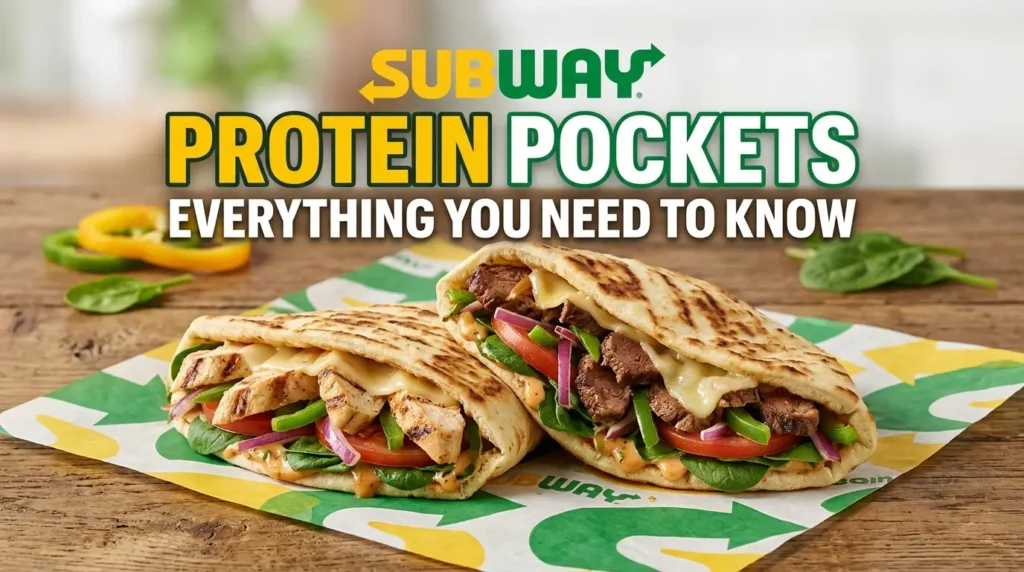
Subway Protein Pockets are a convenient option for people who enjoy fresh sandwiches but want something smaller and easier to eat on the go. These pocket-style meals combine a soft tortilla with protein-rich ingredients, cheese, vegetables, and sauces. They offer a different way to enjoy Subway’s familiar flavors without ordering a traditional footlong or six-inch sandwich.
Whether you are looking for a quick lunch, a filling snack, or a meal that fits your daily protein goals, Subway Protein Pockets are worth exploring. Their ingredients can include grilled chicken, turkey, ham, steak, cheese, and fresh vegetables, depending on the variety available at your local restaurant.
Subway introduced its Protein Pockets in the United States in January 2026 as part of its effort to offer convenient, protein-focused menu choices. The company discussed the inspiration behind the launch in its official Protein Pockets announcement.
In this guide, you will learn what Subway Protein Pockets are, what ingredients they contain, how many calories they provide, which varieties are available, how much they cost, and how to choose an option that suits your appetite.
What Are Subway Protein Pockets?
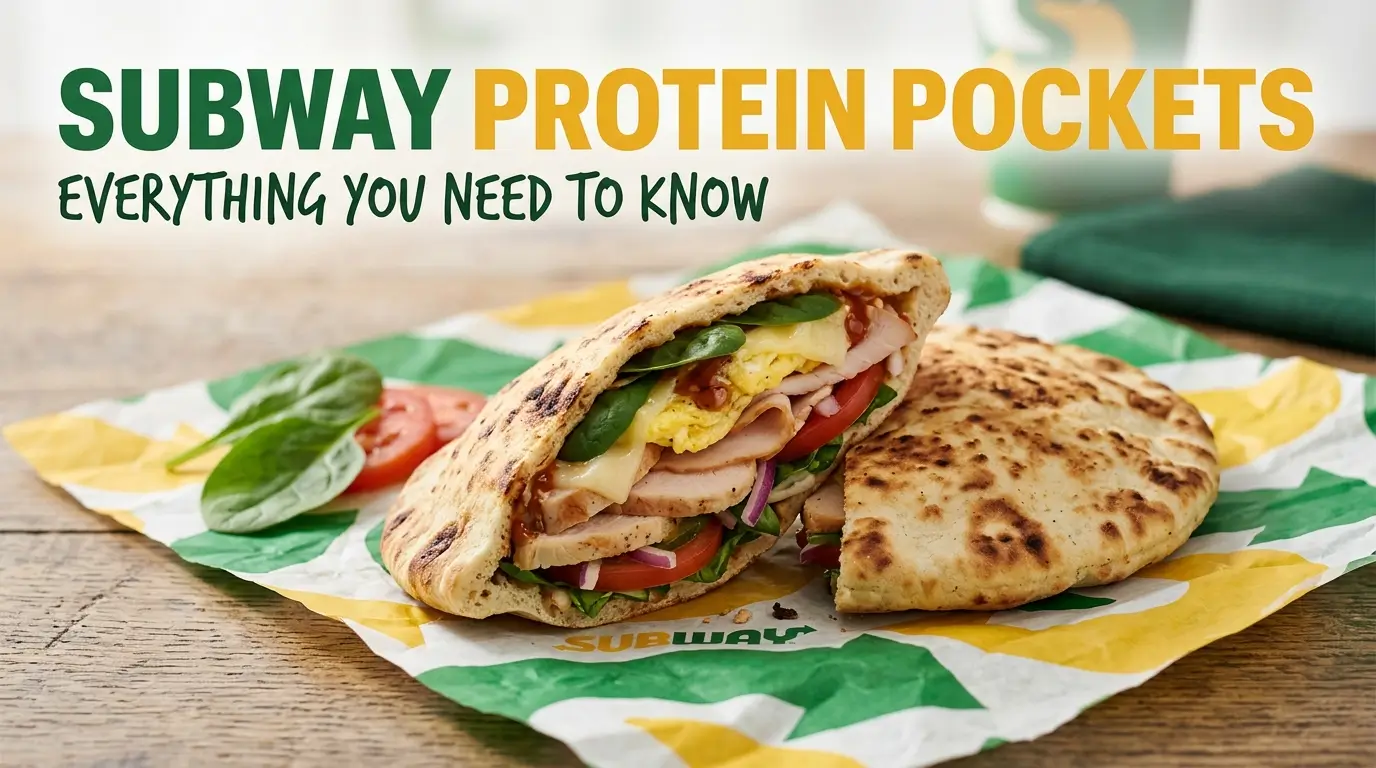
Subway Protein Pockets are compact, tortilla-wrapped meals filled with a combination of protein, cheese, vegetables, and sauces. They are designed for customers who want a portable alternative to a traditional submarine sandwich.
Unlike a regular Subway sandwich, which is typically served inside a long roll, a Protein Pocket uses a tortilla to hold its filling together. This makes it convenient to carry, eat during a lunch break, or enjoy while traveling.
The fillings depend on the selected variety. Some options feature grilled chicken, while others combine turkey and ham or include several types of Italian-style deli meat.
Common ingredients include:
- Grilled chicken, turkey, ham, steak, or other selected meats.
- Cheese, such as provolone or Monterey cheddar.
- Vegetables, including lettuce and tomatoes.
- Additional toppings, such as pickles or banana peppers.
- Sauces, including honey mustard or peppercorn ranch.
- A tortilla that holds the ingredients together.
Not every Protein Pocket contains the same ingredients, and availability depends on the local menu.
One important point is that the word “protein” does not mean every option has the same nutritional value. Calories, protein, fat, carbohydrates, and sodium can vary considerably depending on the filling, cheese, sauce, and portion size.
Subway Protein Pockets Menu
Subway offers different Protein Pocket varieties at participating US locations. The selection may change, and not every restaurant carries every option.
Here are some examples of varieties listed on Subway’s official restaurant menus.
1. Turkey and Ham Protein Pocket
The Turkey & Ham Protein Pocket combines two familiar deli meats with vegetables, cheese, and honey mustard sauce.
According to a published Subway menu listing, this variety contains:
- Calories: 320
- Protein: 21 grams
- Fiber: 2 grams
The listed ingredients include oven-roasted turkey, Black Forest ham, provolone cheese, lettuce, tomatoes, pickles, honey mustard, and a nine-inch tortilla.
This combination offers a balance of savory meat, creamy cheese, crunchy vegetables, and a slightly sweet sauce. It may appeal to people who prefer a lighter pocket without giving up a substantial amount of protein.
The figures come from Subway’s official Turkey & Ham menu listing. Portions and nutrition information should be checked against the menu at your location.
2. Peppercorn Ranch Chicken Protein Pocket
Chicken is a popular choice for people who want a protein-focused meal with a familiar flavor.
Subway’s Peppercorn Ranch Chicken Protein Pocket is listed with the following nutritional information:
- Calories: 330
- Protein: 24 grams
- Fiber: 2 grams
The listed ingredients include grilled chicken strips, Monterey cheddar cheese, lettuce, tomatoes, pickles, peppercorn ranch sauce, and a nine-inch tortilla.
The peppercorn ranch adds a creamy, savory flavor, while the vegetables provide freshness and texture. The combination is suitable for people who prefer chicken over deli meats.
You can check the ingredients and nutrition details on Subway’s official Peppercorn Ranch Chicken listing.
3. Italian Trio Protein Pocket
The Italian Trio is an option for people who enjoy a combination of deli meats and a richer flavor profile.
A Subway menu listing reports:
- Calories: 490
- Protein: 23 grams
- Fiber: 2 grams
The listed filling includes Black Forest ham, spicy pepperoni, salami, provolone cheese, lettuce, tomatoes, banana peppers, and roasted garlic aioli.
The different meats provide a savory taste, while banana peppers add a tangy contrast. Roasted garlic aioli gives the filling a creamy finish.
Because this option contains several types of deli meat and a creamy sauce, it has more calories than some simpler varieties. It may be a better fit for someone looking for a more substantial flavor rather than the lowest-calorie choice.
See Subway’s official Italian Trio listing for the published nutrition details.
4. Other Protein Pocket Varieties
Subway’s menu can include other combinations, such as:
- Chicken-based fillings.
- Turkey and other deli meat combinations.
- Steak or Italian-style fillings.
- Options featuring different cheeses and sauces.
The exact selection depends on the restaurant and the current menu. Check the official Subway Protein Pockets menu to explore examples of the available varieties.
How Many Calories Are in Subway Protein Pockets?
Calories are one of the first things many customers consider when choosing a meal. The good news is that Protein Pockets come in different combinations, so you may be able to find an option that matches your appetite and daily energy needs.
Here is a comparison of three varieties listed on Subway’s menu.
| Protein Pocket | Calories | Protein |
|---|---|---|
| Turkey & Ham | 320 | 21 g |
| Peppercorn Ranch Chicken | 330 | 24 g |
| Italian Trio | 490 | 23 g |
Figures are from the specific official Subway menu listings linked above. Recipes and serving information may differ by location.
These examples show why it is useful to compare individual varieties rather than assuming that every Protein Pocket has the same nutritional value.
The Turkey & Ham option has fewer listed calories than the Italian Trio. Meanwhile, the Peppercorn Ranch Chicken option provides more protein than either of the other two examples.
However, calories alone do not determine whether a meal is a good choice. Your overall diet, portion sizes, activity level, and nutritional needs also matter.
What Can Increase the Calories?
Several ingredients can change the total calorie count of a Protein Pocket.
Cheese: Cheese contributes flavor and protein, but it also adds calories and fat.
Sauces: Creamy sauces and aioli can increase the calorie content. Sweet sauces may also contribute additional sugar.
Meat selection: Different meats have different amounts of fat and calories.
Tortilla: The wrap itself contributes a portion of the meal’s total energy.
Extra toppings: Adding additional meat, cheese, or sauces can change the final nutritional values.
If you want an accurate calorie count, use the nutrition information for your specific order rather than relying on a general estimate.
Are Subway Protein Pockets High in Protein?
Protein Pockets are designed around protein-containing fillings, but their exact protein content varies by recipe.
The three examples discussed above provide between 21 and 24 grams of protein per listed serving. That makes them a convenient source of protein within a meal.
Protein helps the body maintain and repair muscles and supports many normal body functions. It is also an important part of a balanced diet.
However, a higher protein number does not automatically make one meal healthier than another. It is useful to consider the entire nutritional profile, including fiber, sodium, saturated fat, and overall calorie content.
Which Protein Pocket Has the Most Protein?
Among the three examples listed in this guide, the Peppercorn Ranch Chicken Protein Pocket has the highest reported protein content at 24 grams.
The Turkey & Ham variety provides 21 grams, while the Italian Trio provides 23 grams.
These figures are useful for comparison, but they should not be treated as a permanent ranking of the entire Subway menu. Recipes, portion sizes, and available products may change.
If protein is your main priority, check the current nutritional information at your local Subway restaurant before ordering.
Are Subway Protein Pockets Healthy?
Whether a Protein Pocket is a healthy choice depends on the ingredients, portion size, and your personal dietary needs.
A pocket containing chicken or turkey, vegetables, and a moderate amount of sauce can provide protein and some vegetables in a convenient format.
At the same time, cheese, processed meats, creamy sauces, and salty ingredients can increase the amount of sodium, saturated fat, or calories in the meal.
A practical way to evaluate a Protein Pocket is to look at several factors together.
Protein Content
Protein can help support muscle maintenance and normal body functions. A pocket containing chicken, turkey, or another protein source can contribute to your daily intake.
Vegetables
Lettuce, tomatoes, pickles, and peppers add flavor and texture. Vegetables can also contribute small amounts of fiber and micronutrients.
The amount varies, and a pocket should not automatically be considered a full serving of vegetables.
Sodium
Processed deli meats, cheese, sauces, and seasonings can contribute sodium. If you need to monitor sodium intake, review the restaurant’s current nutrition information.
Saturated Fat
Some cheese varieties and creamy sauces contain saturated fat. Comparing ingredients and choosing sauces carefully can help you manage your overall intake.
Portion Size
A smaller meal may suit someone who wants a light lunch, while another person may need a larger meal based on their activity level and appetite.
The best choice is the one that fits your nutritional needs without relying on a single number to judge the entire meal.
How Do Subway Protein Pockets Compare With Regular Subway Sandwiches?
The main difference is the format.
A traditional Subway sandwich is served in a longer bread roll, while a Protein Pocket uses a tortilla to hold a smaller combination of ingredients.
Here are some practical differences.
Size and convenience: Protein Pockets are compact and easy to carry. A regular sandwich may be more suitable when you want a larger meal.
Bread or tortilla: The two formats use different bases, which affects their texture, flavor, and nutritional values.
Filling combinations: Many familiar meat, cheese, vegetable, and sauce combinations can be found across Subway’s different menu formats, although not every combination is available in every format.
Calories: A pocket is not automatically lower in calories than every sandwich. The filling, bread or tortilla, cheese, and sauces all influence the total.
Appetite: Some customers may find a pocket sufficient for a snack or light meal, while others may prefer a six-inch sandwich or another larger option.
To make a fair comparison, compare the same or similar fillings and check the nutritional information for each product.
How Much Do Subway Protein Pockets Cost?
Prices depend on the restaurant, location, promotions, and the specific variety you order.
Some official Subway restaurant listings display Protein Pockets at prices around $4 to $5, although prices differ between locations and menu items. These figures are examples from individual US restaurant listings, not a guaranteed nationwide price.
For instance, the Turkey & Ham and Peppercorn Ranch Chicken listings referenced earlier show different prices at different locations.
The total may also change if you add extra ingredients or purchase a drink, chips, or another side.
How to Find the Current Price
To avoid relying on an outdated price:
- Visit the official Subway website.
- Select your location or preferred restaurant.
- Open the current menu.
- Find the Protein Pockets section.
- Check the price and available varieties.
- Review any applicable promotions before ordering.
You can also check the restaurant’s ordering platform or contact the location directly.
If you live outside the United States, do not assume that the US Protein Pockets menu or its prices apply to your country. Subway menus are adapted to local markets, and some products may not be available internationally.
Can You Customize Subway Protein Pockets?
Customization is one of the useful features of Subway’s ordering experience. Depending on the product and participating restaurant, you may be able to adjust selected ingredients to suit your preferences.
Here are some ways to personalize a pocket.
Choose Your Preferred Protein
If several fillings are available, choose the one that matches your taste and dietary preferences.
Chicken may appeal to customers who prefer a familiar poultry-based filling, while turkey and ham offer a traditional deli-style combination.
Adjust the Vegetables
Vegetables can add crunch, freshness, and flavor. Depending on availability, you may be able to select or remove particular toppings.
If you enjoy a little tanginess, pickles or banana peppers can provide a sharper flavor.
Select Your Sauce Carefully
Sauces have a noticeable effect on the overall taste of a pocket.
Honey mustard provides a sweet and tangy flavor, while peppercorn ranch and roasted garlic aioli offer creamier alternatives.
If you are monitoring calories, ask about the nutritional impact of your preferred sauce and whether a smaller amount is available.
Check Extra Ingredients
Adding extra meat or cheese may increase the protein content, but it can also increase calories, fat, or sodium.
Review the final order rather than assuming that every extra ingredient improves the nutritional balance.
Customization options vary, so confirm the choices available at your restaurant.
Are Subway Protein Pockets Suitable for Weight Management?
A Protein Pocket can fit into a weight-management plan, but the result depends on the rest of your diet and your overall energy needs.
For example, a person looking for a lighter lunch might choose a Turkey & Ham Protein Pocket, which is listed at 320 calories in one official menu listing. Someone who prefers a richer combination might choose the Italian Trio, listed at 490 calories.
Neither option is automatically right or wrong. The important factors are portion size, nutritional balance, personal preferences, and how the meal fits into your overall eating pattern.
If you want to make a more balanced choice, consider the following:
- Compare calories before ordering.
- Choose a filling that provides an appropriate amount of protein.
- Include vegetables when available.
- Consider the amount of sauce and cheese.
- Check sodium and saturated fat if these are concerns for you.
- Choose a portion that matches your appetite.
Weight management does not require every meal to be the lowest-calorie option. Consistency across your overall eating pattern matters more than one isolated food choice.
Are Subway Protein Pockets Good for a Quick Lunch?
Protein Pockets can be convenient for people with busy schedules because they are portable and do not require preparation at home.
They may suit office workers, students, travelers, and customers who want something different from a traditional sandwich.
A chicken-based pocket can provide a familiar savory flavor, while turkey and ham may appeal to people who prefer deli meats. An Italian-style filling offers a richer combination for customers who enjoy multiple meats and stronger flavors.
However, convenience does not mean every option will be equally filling. Someone with a larger appetite may want a more substantial meal or an appropriate side.
Consider your schedule, appetite, and nutritional needs when deciding whether a Protein Pocket is enough for lunch.
Allergens and Dietary Considerations
Before ordering, check the ingredients and allergen information for your chosen Protein Pocket.
Depending on the recipe, ingredients may include wheat in the tortilla, milk in the cheese or sauce, and other allergens associated with particular fillings or condiments.
People with food allergies should not rely solely on the product name to determine whether a meal is safe.
If you have a serious allergy, ask the restaurant for its current allergen information and explain your requirements. Shared preparation surfaces, utensils, and equipment may also create a risk of cross-contact.
Customers following vegetarian, religious, or other dietary restrictions should verify the specific ingredients and preparation practices at their location. Do not assume that a product available in one country has the same recipe or certification in another.
Frequently Asked Questions About Subway Protein Pockets
What Are Subway Protein Pockets Made Of?
They generally consist of a tortilla filled with a protein source, cheese, vegetables, and sauce. Specific ingredients depend on the selected variety and local menu.
How Many Calories Are in a Subway Protein Pocket?
Calories vary by recipe. Examples listed by Subway include 320 calories for Turkey & Ham, 330 calories for Peppercorn Ranch Chicken, and 490 calories for Italian Trio. Always confirm the current information for your particular order.
Which Subway Protein Pocket Has the Most Protein?
Among the three examples compared in this article, Peppercorn Ranch Chicken has the highest listed protein content at 24 grams. Other varieties may have different nutritional values.
Are Subway Protein Pockets Available at Every Location?
Availability varies by restaurant and market. The US menu includes Protein Pockets at participating locations, but customers should check their local restaurant for current options.
Are Subway Protein Pockets Better Than Regular Sandwiches?
Neither format is automatically better. Protein Pockets offer a compact tortilla-wrapped alternative, while traditional sandwiches provide a different texture and portion size. Compare ingredients and nutrition information to decide which suits you.
Can I Order a Subway Protein Pocket Online?
Where the product is available, you may be able to order it through Subway’s official website, app, or participating delivery services. Options depend on your location.
Are Subway Protein Pockets Suitable for a High-Protein Diet?
They can contribute to your daily protein intake. Some published varieties provide more than 20 grams of protein per serving, although the exact amount depends on the recipe.
Do Subway Protein Pockets Contain Gluten?
The tortilla used in the listed varieties contains wheat, so these examples are not gluten-free. Anyone who needs to avoid gluten should check the current ingredient and allergen information for their chosen product.
Conclusion
Subway Protein Pockets offer a convenient alternative to traditional submarine sandwiches. With tortilla wraps, protein-containing fillings, cheese, vegetables, and sauces, they provide several flavor combinations for customers who want a portable meal.
The Turkey & Ham option is one example of a comparatively lighter choice, while Peppercorn Ranch Chicken offers a chicken-based filling with a higher listed protein amount among the varieties compared here. Italian Trio provides a richer combination of deli meats and sauce.
Prices, ingredients, nutrition information, and availability vary by restaurant, so checking the current local menu is the best way to make an informed choice.
Whether you want a quick lunch, a convenient snack, or a meal that contributes to your daily protein intake, comparing the available varieties will help you choose a Subway Protein Pocket that suits your taste, budget, and nutritional preferences.



[…] Looking at the ingredients helps you understand what provides the protein and whether the product fits your dietary needs. […]